
By Marty Apuhin & Viggo Sarmago
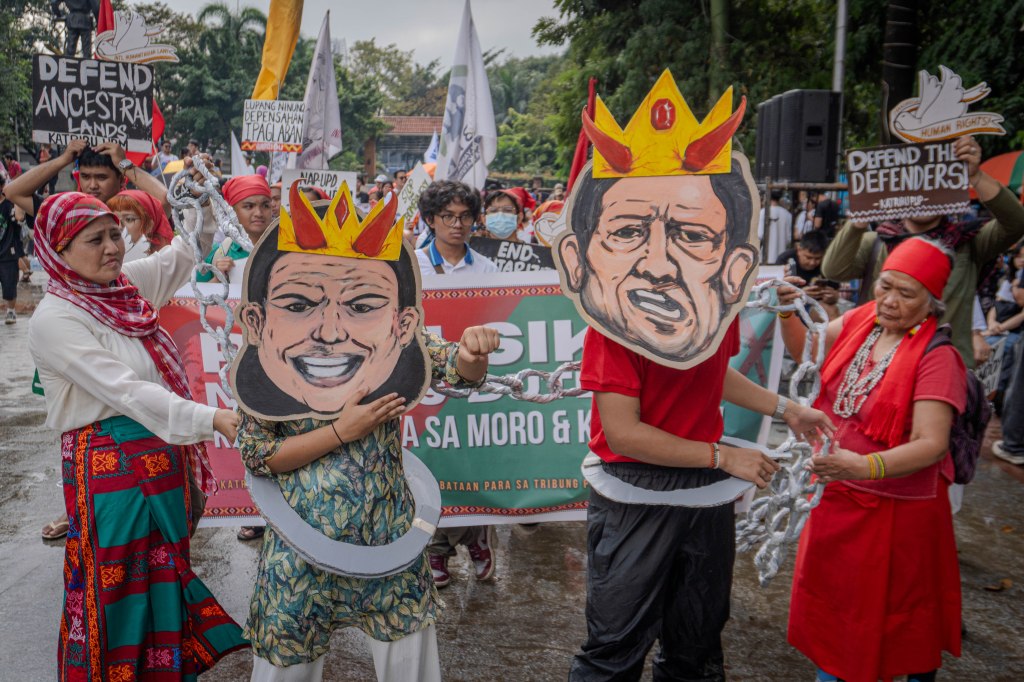
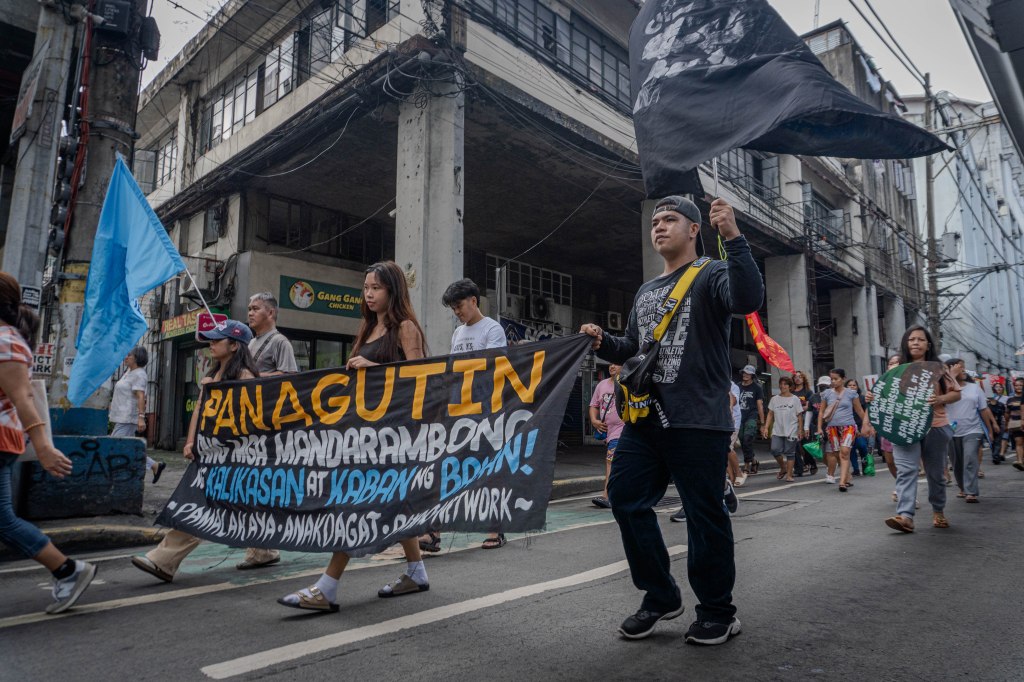
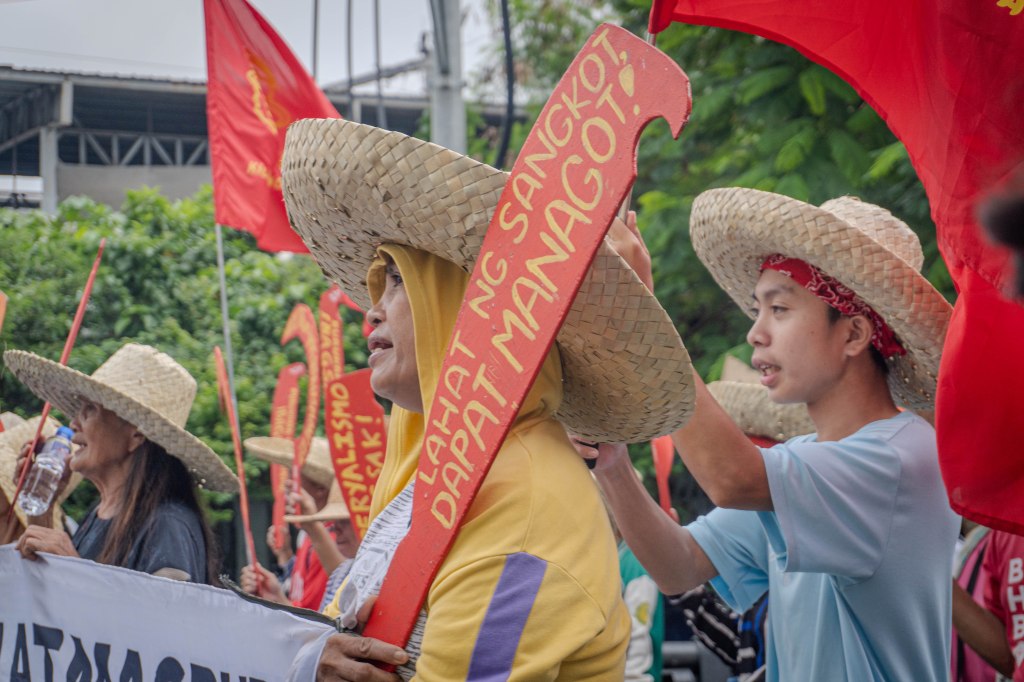
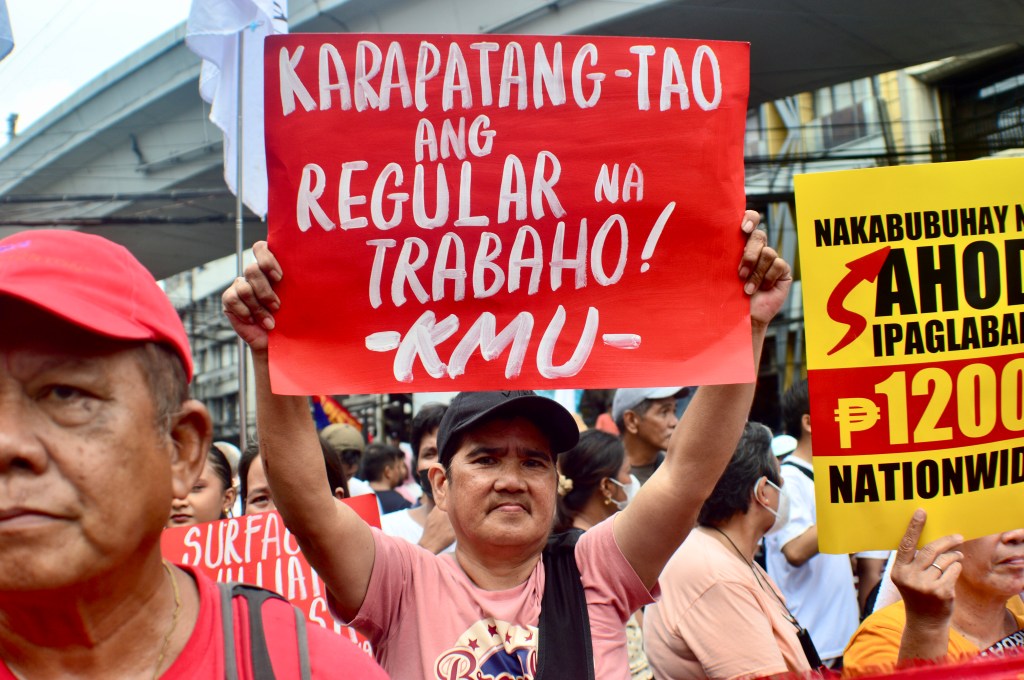
MANILA, Philippines – Filipino environmentalists joined the world in celebrating International Human Rights Day last December 10, marching from Liwasang Bonifacio to Mendiola Peace Arch as marginalized sectors face violations and climate injustice.
Amid flood control anomalies, disputes over indigenous land, and militarization threatening sovereignty, progressives reaffirm that climate justice is social justice, pointing out how the consequences of climate change disproportionately impact vulnerable communities.
For instance, extrajudicial killings under former president Duterte’s regime recorded hundreds of victims, with 26 incidents of massacres related to land disputes. Ariel Casilao of Unyon ng mga Manggagawa sa Agrikultura (UMA) stressed that these deaths were not isolated cases but rather proof of systemic state persecution and targeted attacks on the most vulnerable.
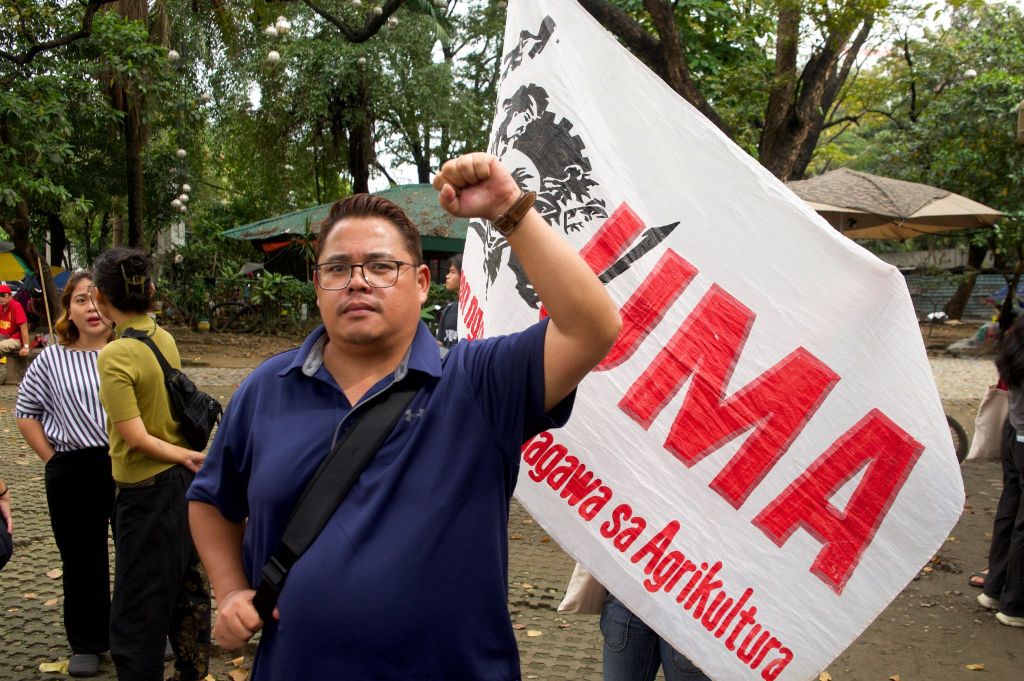
“Ang mga magsasaka, mga katutubo, mga mamamayan at manggagawang bukid ang pinaka-unang nabibiktima sa panahon na naglulunsod ng mga military operation ang iba’t ibang unit ng sandatang lakas laban sa kinikilala nilang kaaway ng estado,” he shared.
(Farmers, indigenous peoples, residents, and peasants are the first to be victims of violence during times of military operations and other armed forces against what they consider to be enemies of the state.)
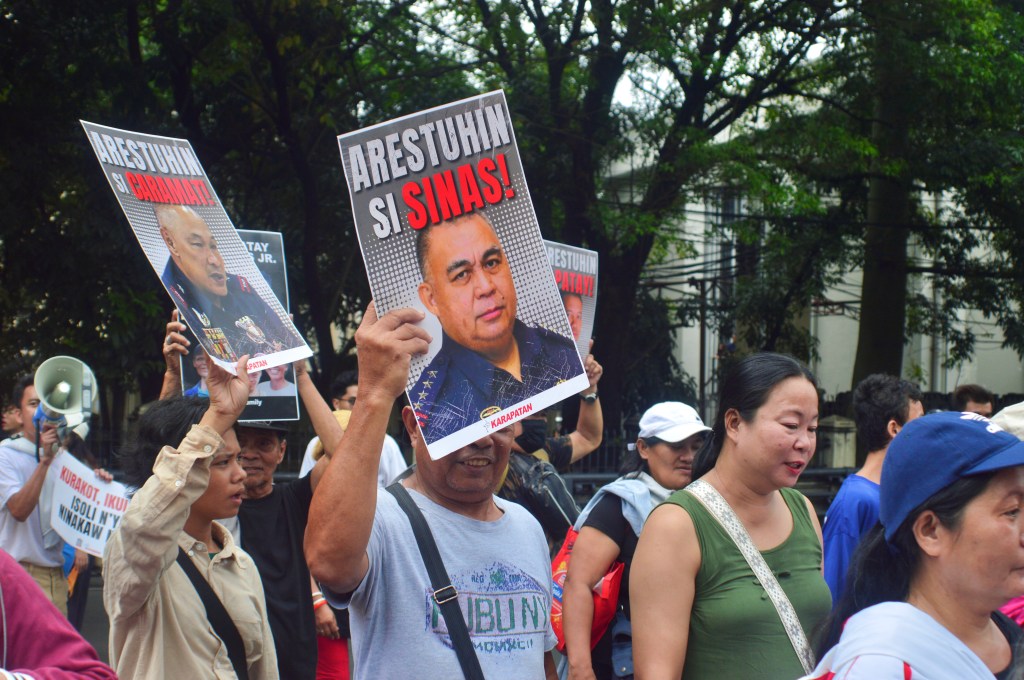
These attacks continue outside of complex conversations surrounding agrarian reform and oppression under Duterte’s regime. In simpler calls for livable wages or livelihood protections, peasant leaders and environmental defenders face threats to their safety, redtagging, and forced abductions disguised as a “whole-of-nation approach in attaining an inclusive and sustainable peace” from the Philippine government’s National Task Force to End Local Communist Armed Conflict (NTF-ELCAC).
Casilao asserts that these attacks are why peasants should rightfully demand justice and accountability from the Marcos and Duterte regimes, as citizen taxpayer money continually funds human rights violations and corruption.
“Ginagamit ang kanilang posisyon para karakutin ang pondo ng mamamayan, para pondohan ang militarisasyon at pondohan ang paglabag sa karapatang pantao,” he asserted.
(Those in power are using their position to corrupt funds from citizens, to fund militarization and to fund human rights violations.)
Fisherfolk face similar oppression as government forces favor capitalist interest disguised as reclamation projects. Aaron Escarial of Pambansang Lakas ng Kilusang Mamamalakaya ng Pilipinas (PAMALAKAYA) shared that his group will continue to raise awareness on the harmful effects of the Navotas Boulevard Business Park project, a reclamation project spearheaded by the Navotas City government and Argonbay Construction Company, a subsidiary of San Miguel Corporation (SMC).
Last year, the project began construction and more than 200 mussel farms were demolished, leaving thousands of fishermen without sources of livelihood. At the same time, the Navotas city government refused to issue permits for mussel farms and fish traps, essentially paralyzing the fishing industry, leading to members of the community having to return to their provinces or work part-time jobs to make ends meet.
“Yung karagatan ay walang nagmamay-ari, dapat para sa lahat yan…Mas pinapabor talaga nila (lokal na gobyerno) ang mga malalaking kapitalista katulad ni Ramon Ang ng San Miguel Corporation, pilit nilang pinapatay na ang industriya ng pangingisdaan,” shared Escarial.
(The ocean belongs to no one, it should be for everyone… The local government really favors big capitalists like Ramon Ang of San Miguel Corporation, which is killing the fishing industry.)
Moving forward, the fisherfolk of Navotas continue to fight the legal battle, seeking the local court’s reconsideration of the dismissal of their petition against the city government’s refusal to issue fishing permits, whilst demanding compensation for the damages brought by construction of the reclamation project.
Meanwhile, even until now, indigenous peoples (IP) and rights activists experience state harassment, from red-tagging to forced disappearances. IP groups held placards demanding to resurface Dexter Capuyan and Gene Roz Jamil “Bazoo” de Jesus, both IP activists who have been missing since April 2023. They also continued the calls to drop the trumped-up charges against Dumagat farmers Rocky Torres and Dandoy Avellaneda who were illegally detained and arrested by the military. They were accused of being members of the New People’s Army (NPA). Even to this day, Bazoo and Dexter’s location remains at large, and Torres and Avellaneda remain behind bars. These violations happened years ago, but the fight continues for justice to eventually be served.
Because ancestral lands are rich in natural resources, the extreme militarization is driven by corporate greed. The very lifeline of indigenous peoples are extracted; stolen from them because those with power continue to obtain resources for themselves . “This is how the environment is connected to human rights. The plundering of their ancestral lands continues. Corporations enter their lands through military intervention, which causes environmental destruction. And from there, their rights are taken away because of military oppression.” says Kabataan Para sa Tribung Pilipino-Polytechnic University of the Philippines chapter (KATRIBU-PUP) Chairperson Nico Marco.
In addition, he said that Balikatan exercises continue to pressure and displace IPs, fisherfolk, and peasants because these exercises destroy the environment by using military equipment and weaponry.
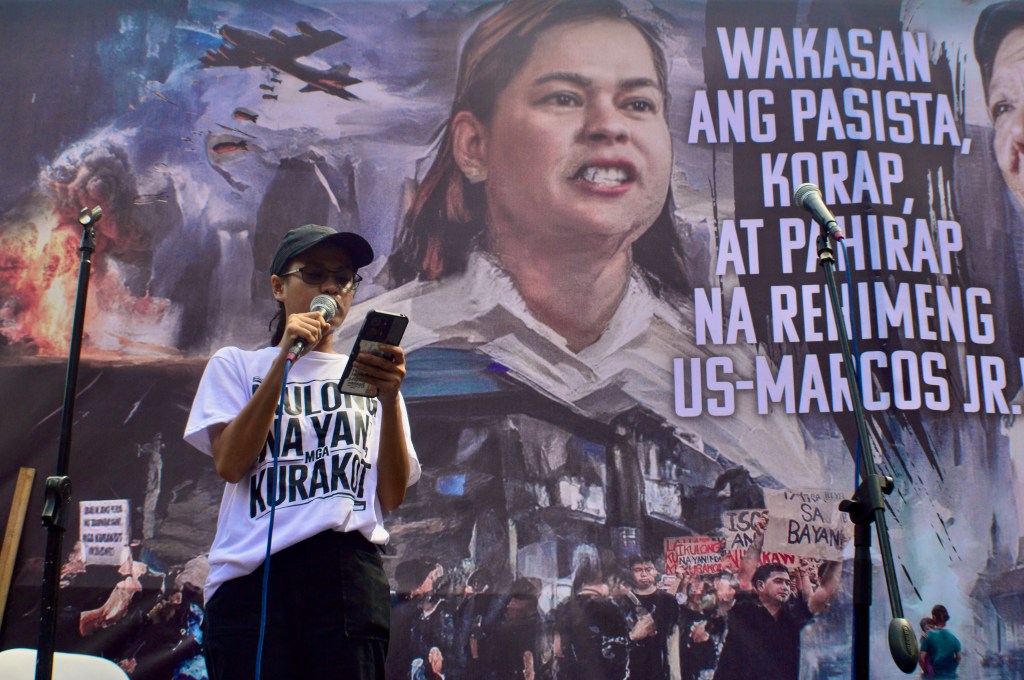
In continued solidarity of climate justice, resurfaced environmental defender Jonila Castro spoke at the mobilization, reminding citizens of their duty and role in demanding a just system.
“Wala nang lugar ang takot sa mamamayang mulat sa kabulukan ng sistema at sa mga ugat nito…Patuloy lamang na lalawak ang mga mamamayang naniningil sa bawat pisong nilustay ng mga gahaman, sa bawat likas-yamang dinambong, at sa bawat buhay na ninakaw (nila).”
(There is no longer any place for fear among the people who have become conscious of the rotten system and its roots… The amount of people who demand accountability for every peso the greedy have pilfered, for every natural resource plundered, and for every life stolen only continue to increase.)
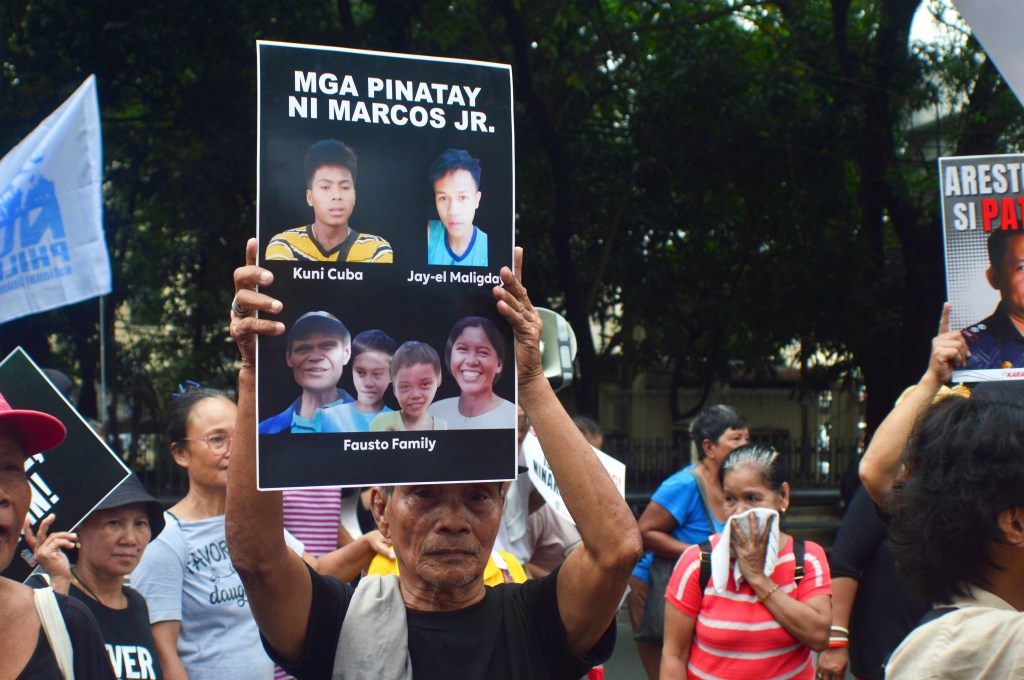
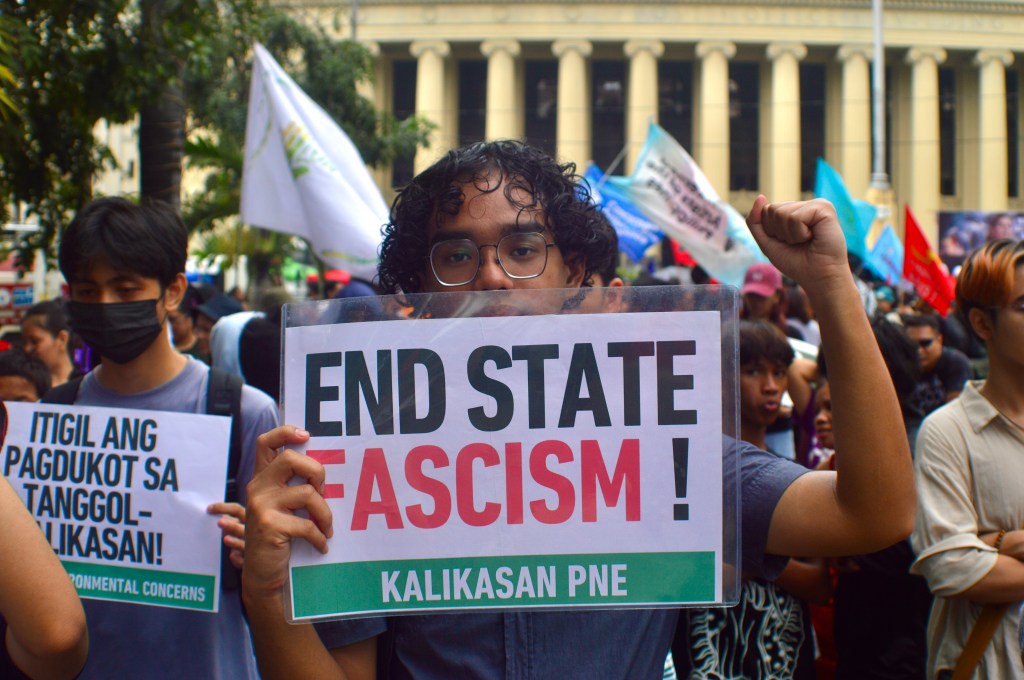
The Philippines remains one of the deadliest countries for environmental defenders, an alarming statistic that points toward the larger system at play, one that exploits the workers of the world and the world of its workers: a system that puts profit over people.
This International Human Rights Day, Youth Advocates for Climate Action Philippines (YACAP) stands in solidarity with the nation in demanding justice for the human rights violations faced by everyday citizens, fisherfolk, farmers, and environmental defenders like Castro.
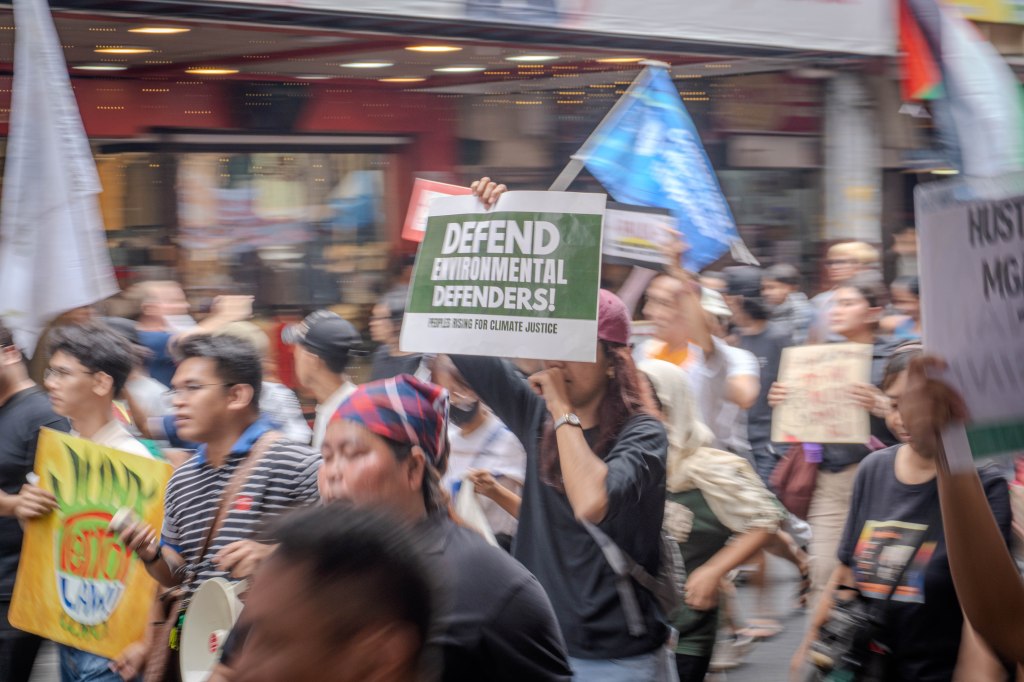
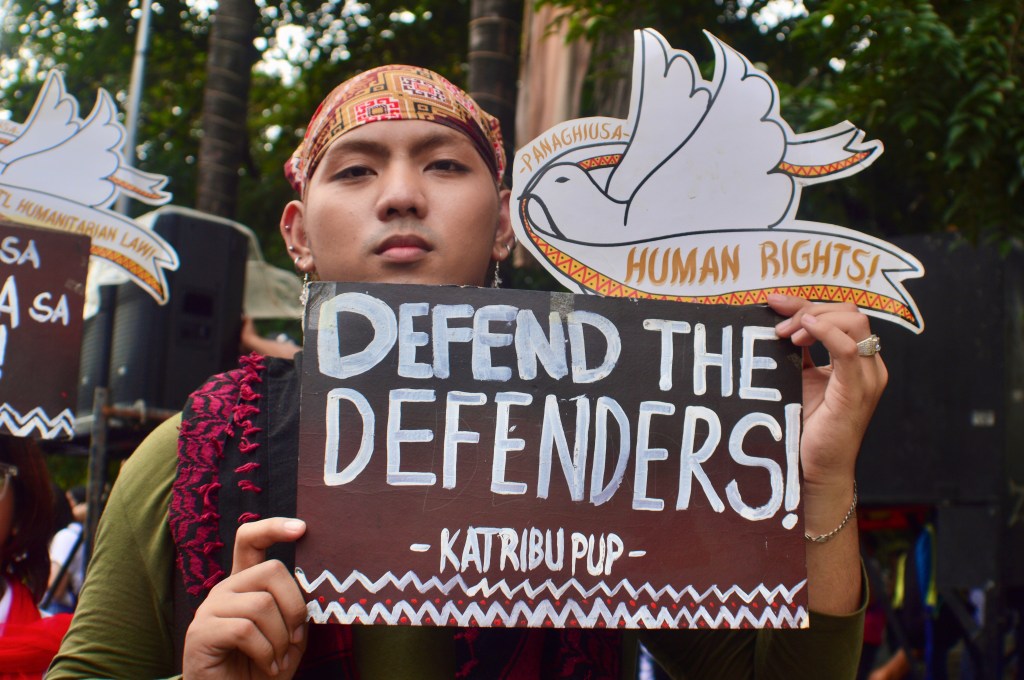
Rachelle Junsay of YACAP further echoes the call to #DefendTheDefenders, alongside defending the right of youth to fight for their future.
“Sa mga kabataang kalikasan, kitang-kita yung pag-oppress sa mga taong gusto lang naman protektahan yung kalikasan,” shared Junsay.
(The oppression of environmental defenders who simply want to protect the environment is quite apparent.)
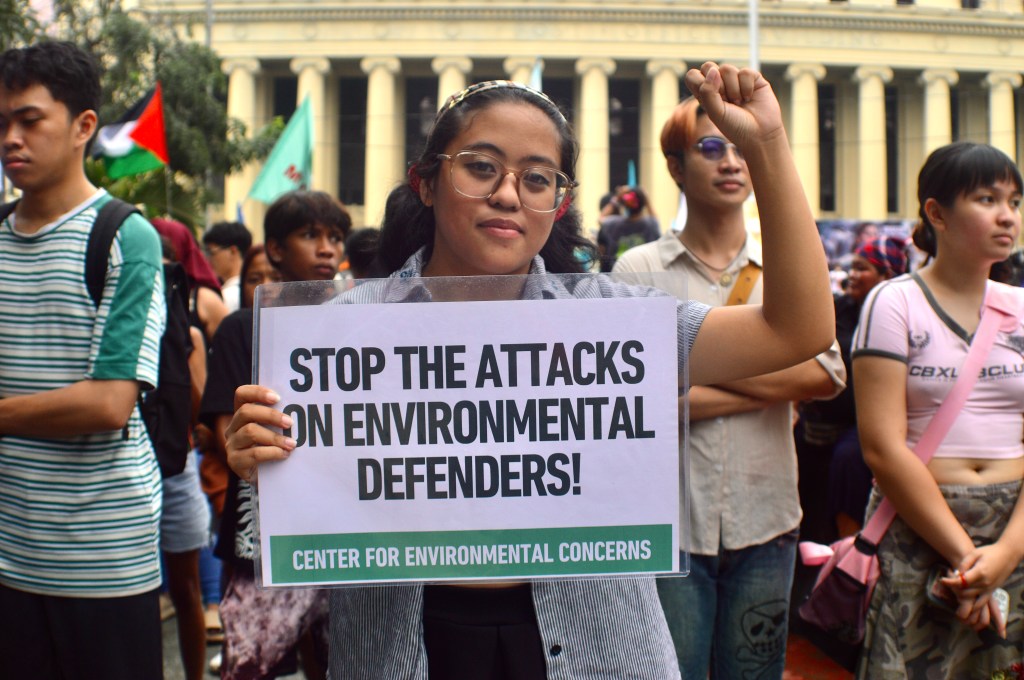
These injustices are exactly why YACAP continues to organize—because the environment and its defenders refuse to accept the bureaucrat capitalist system that oppresses marginalized sectors should continue to prevail. Because as humans of the earth, it becomes our duty and our responsibility to fight for a better future.
And in the words of Junsay, “a future that is just, sustainable for the people and for the planet.”
*With reports from Bulatlat
Disclosure: This photo essay was written as a part of Youth Advocate for Climate Action Philippines (YACAP)’s #DefendTheDefenders campaign for human rights.
 Youth Advocates for Climate Action Philippines